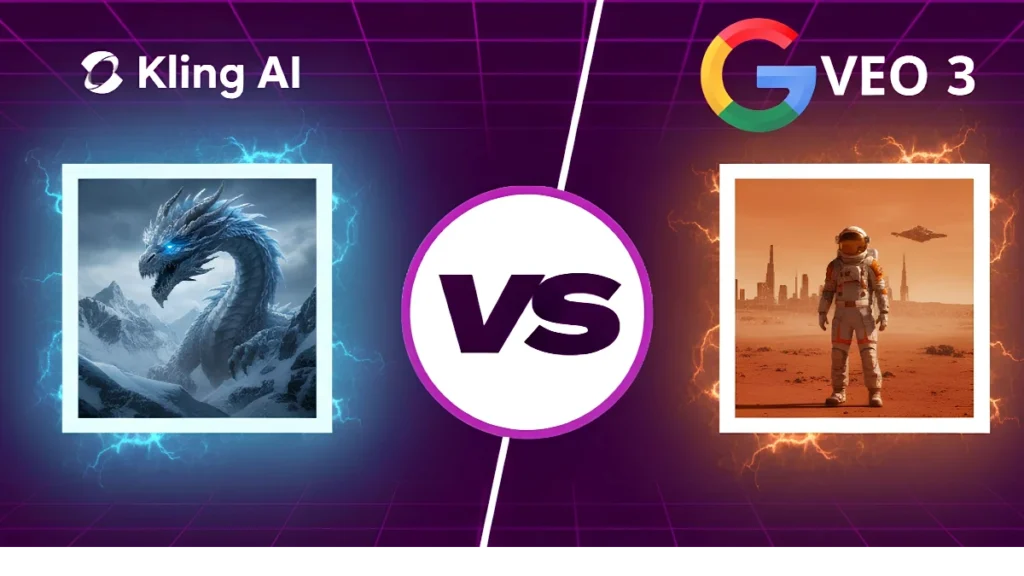
Kling vs VEO 3: Our 2026 Comparison
The battle of Kling vs VEO 3 is the hottest topic in the creative world right now. In 2026, choosing the right AI video generator can be the difference between a viral hit and a forgotten project. After weeks of intense testing, we’ve reached a verdict that might surprise you.
In this guide, we’ll break down why your creative vision is now more important than technical complexity when dealing with these generative models.
Our Real-World Test: Kling vs VEO 3 Results
In our recent experiments, comparing these two models revealed very different philosophies. Kling continues to dominate when it comes to fluid physics and object weight. If you generate a car crash or water splashing, the fluid dynamics here feel incredibly grounded and realistic, avoiding that “floaty” look common in older AI versions.
On the other hand, Google’s tool has made massive leaps in temporal consistency. While previous AI models had “morphing” issues where objects changed shape mid-air, the VEO 3 engine keeps the characters’ faces and clothing consistent from the first frame to the very last. This is a game-changer for those producing short films or high-end advertisements.
Why This AI Video Debate Matters
Understanding the nuances between these platforms is essential for any creator. While one tool excels at action sequences, the other is perfect for character-driven storytelling. If you already know how to use Kling AI, you’ll notice that the 2026 updates have pushed the bar even higher in terms of cinematic lighting.
What we love about the Kling engine in 2026:
- Advanced Extension Tool: It is much better at keeping the scene logic when you decide to extend a 5-second clip into a 10-second one.
- Complex Prompt Adherence: It captures small details in the background, like moving leaves or distant crowds, better than most competitors.
- Physics engine: The way clothes fold and move with the wind is remarkably better than the previous 2.0 version.
Verdict: Which Generative Tool Wins?
The final decision on Kling vs VEO 3 depends on your specific goals. After our deep dive into these new creative workflows, we recommend:
- Choose Kling if you need complex movements, realistic physics, and action-packed sequences.
- Choose VEO 3 if you prioritize character consistency, high-end color grading, and a polished film aesthetic.
In our opinion, you don’t have to pick just one. Many professional studios in 2026 are using a hybrid approach: they use VEO for steady, emotional close-ups and switch to the other tool for the heavy lifting in action scenes.

Bruno Canhos Vicentin is a technology specialist and AI enthusiast dedicated to uncovering digital solutions that optimize workflows. With a focus on hands-on testing and unbiased reviews, he helps professionals navigate the rapid evolution of Artificial Intelligence through practical guides and in-depth analysis.